2026-10-08
October 8, 2026 in Philadelphia offers a way into from invisible to invincible: honoring the art of color—and a closer look at how the city keeps its public story alive.
2026-10-07
October 7, 2026 in Philadelphia offers a way into meantime on market—and a closer look at how the city keeps its public story alive.
2026-10-06
October 6, 2026 in Philadelphia offers a way into reel october and the philadelphia film festival at 35—and a closer look at how the city keeps its public story alive.
2026-10-05
October 5, 2026 in Philadelphia offers a way into designphiladelphia festival—and a closer look at how the city keeps its public story alive.
2026-10-04
October 4, 2026 in Philadelphia offers a way into from invisible to invincible: honoring the art of color—and a closer look at how the city keeps its public story alive.
2026-10-03
October 3, 2026 in Philadelphia offers a way into evolving freedoms—and a closer look at how the city keeps its public story alive.
2026-10-02
October 2, 2026 in Philadelphia offers a way into philadelphia's 52 weeks of firsts and 250th-anniversary programming—and a closer look at how the city keeps its public story alive.
2026-10-01
October 1, 2026 in Philadelphia offers a way into botany of nations—and a closer look at how the city keeps its public story alive.
2026-09-30
September 30, 2026 in Philadelphia offers a way into philadelphia's 52 weeks of firsts and 250th-anniversary programming—and a closer look at how the city keeps its public story alive.
2026-09-29
September 29, 2026 in Philadelphia offers a way into botany of nations—and a closer look at how the city keeps its public story alive.
2026-09-28
September 28, 2026 in Philadelphia offers a way into marian: the american story—and a closer look at how the city keeps its public story alive.
2026-09-27
September 27, 2026 in Philadelphia offers a way into botany of nations—and a closer look at how the city keeps its public story alive.
2026-09-26
September 26, 2026 in Philadelphia offers a way into marian: the american story—and a closer look at how the city keeps its public story alive.
2026-09-25
September 25, 2026 in Philadelphia offers a way into evolving freedoms—and a closer look at how the city keeps its public story alive.
2026-09-24
September 24, 2026 in Philadelphia offers a way into philadelphia's 52 weeks of firsts and 250th-anniversary programming—and a closer look at how the city keeps its public story alive.
2026-09-23
September 23, 2026 in Philadelphia offers a way into botany of nations—and a closer look at how the city keeps its public story alive.
2026-09-22
September 22, 2026 in Philadelphia offers a way into marian: the american story—and a closer look at how the city keeps its public story alive.
2026-09-21
September 21, 2026 in Philadelphia offers a way into meantime on market—and a closer look at how the city keeps its public story alive.
2026-09-20
September 20, 2026 in Philadelphia offers a way into from invisible to invincible: honoring the art of color—and a closer look at how the city keeps its public story alive.
2026-09-19
September 19, 2026 in Philadelphia offers a way into evolving freedoms—and a closer look at how the city keeps its public story alive.
2026-09-18
September 18, 2026 in Philadelphia offers a way into marian: the american story—and a closer look at how the city keeps its public story alive.
2026-09-17
September 17, 2026 in Philadelphia offers a way into meantime on market—and a closer look at how the city keeps its public story alive.
2026-09-16
September 16, 2026 in Philadelphia offers a way into evolving freedoms—and a closer look at how the city keeps its public story alive.
2026-09-15
September 15, 2026 in Philadelphia offers a way into philadelphia's 52 weeks of firsts and 250th-anniversary programming—and a closer look at how the city keeps its public story alive.
2026-09-14
September 14, 2026 in Philadelphia offers a way into botany of nations—and a closer look at how the city keeps its public story alive.
2026-09-13
September 13, 2026 in Philadelphia offers a way into evolving freedoms—and a closer look at how the city keeps its public story alive.
2026-09-12
September 12, 2026 in Philadelphia offers a way into meantime on market—and a closer look at how the city keeps its public story alive.
2026-09-11
September 11, 2026 in Philadelphia offers a way into evolving freedoms—and a closer look at how the city keeps its public story alive.
2026-09-10
September 10, 2026 in Philadelphia offers a way into marian: the american story—and a closer look at how the city keeps its public story alive.
2026-09-09
September 9, 2026 in Philadelphia offers a way into botany of nations—and a closer look at how the city keeps its public story alive.
2026-09-08
September 8, 2026 in Philadelphia offers a way into marian: the american story—and a closer look at how the city keeps its public story alive.
2026-09-07
September 7, 2026 in Philadelphia offers a way into meantime on market—and a closer look at how the city keeps its public story alive.
2026-09-06
September 6, 2026 in Philadelphia offers a way into evolving freedoms—and a closer look at how the city keeps its public story alive.
2026-09-05
September 5, 2026 in Philadelphia offers a way into philadelphia's 52 weeks of firsts and 250th-anniversary programming—and a closer look at how the city keeps its public story alive.
2026-09-04
September 4, 2026 in Philadelphia offers a way into botany of nations—and a closer look at how the city keeps its public story alive.
2026-09-03
September 3, 2026 in Philadelphia offers a way into marian: the american story—and a closer look at how the city keeps its public story alive.
2026-09-02
September 2, 2026 in Philadelphia offers a way into meantime on market—and a closer look at how the city keeps its public story alive.
2026-09-01
September 1, 2026 in Philadelphia offers a way into meantime on market—and a closer look at how the city keeps its public story alive.
2026-08-30
The Cycling Classic returns on August 30, and the city becomes a moving map. Streets, hills, crowds, and bodies make one civic lesson plain: public life is motion.
2026-08-29
The Cycling Classic fan weekend turns streets into commerce, performance, and crowd space. Philadelphia has been doing some version of that since the market days.
2026-08-28
The Cycling Classic charity ride connects public spectacle to public health. That bridge belongs in Philadelphia, where medicine and civic life have long shared a street.
2026-08-27
The Manayunk Wall turns topography into civic theater. It reminds us that Philadelphia history is not flat: geography shapes work, movement, neighborhood identity, and spectacle.
2026-08-26
AI is changing what a small team can build. Here is what the next one, five, and ten years may mean for founders, creative work, and platforms like Philly Tours.
2026-08-26
A bike race makes risk visible: speed, pavement, barriers, hills, bodies, and spectators. Philadelphia's older civic story also asks how a city organizes risk in public.
2026-08-25
An August 25 Architectural Committee meeting is a reminder that history often lives in details: windows, materials, cornices, thresholds, and repair decisions.
2026-08-24
As school season approaches, America 250 should move from spectacle into lesson plans. The founder story is strongest when students are allowed to argue with it.
2026-08-23
Late summer gives Philadelphia's public squares back to residents. That is not downtime; it is the original promise of public ground being tested again.
2026-08-22
Late August lacks July's giant spotlight, which makes it useful. A city proves its civic habits when no one is watching nationally.
2026-08-21
Before the Cycling Classic returns, Philadelphia's streets start to look like a course. That is a useful way to read the city: route, grade, surface, risk, and crowd.
2026-08-20
BlackStar is not only four festival days. Its afterlife matters: recommendations, classroom use, artist networks, and the stubborn memory of a story well told.
2026-08-19
America's Time Capsule asks what should last 250 years. Philadelphia's better question is what ordinary evidence we are failing to save right now.
2026-08-18
By late summer, a reimagined Declaration should feel less ceremonial and more local. What rights would Philadelphia print on its walls now?
2026-08-17
The day after a festival closes is a good day to ask whether Philadelphia treats culture as a weekend attraction or a long-term civic habit.
2026-08-16
August 16 closes two summer rituals: lanterns in Franklin Square and folk music at Old Pool Farm. Both show how public memory glows outside official monuments.
2026-08-15
A clean-block day and a folk festival weekend both depend on common work. One has brooms, the other has choruses, but both ask people to keep time together.
2026-08-14
August 14 pairs two kinds of preservation: one through meeting records and one through songs. Philadelphia needs both to keep history alive.
2026-08-13
Before the Philadelphia Folk Festival begins, the city's founder story needs one correction: history is not only documents. It is also songs, testimony, memory, and repetition.
2026-08-12
A practical guide to five strong genealogy platforms, what each one does best, and how to combine online clues with Philadelphia place-based research.
2026-08-12
As fellowship applications close, Philadelphia's question is not only who wants to serve. It is whether the city builds pathways for people who know its neighborhoods from the inside.
2026-08-11
An August preservation deadline is quieter than a festival, but it may decide what future Philadelphians can stand in front of and learn from.
2026-08-10
The anniversary crowds may thin, but A Nation of Artists keeps asking the deeper question: who gets to picture America after America has pictured itself?
2026-08-09
BlackStar closes in Philadelphia and continues online around the world. That movement matters: public memory now travels farther than a broadside ever could.
2026-08-08
August 8 brings neighborhood cleanup and BlackStar storytelling into the same civic frame. One tends the street; the other tends the image of who lives there.
2026-08-07
Film-festival panels may look like industry talk, but they are civic work. They decide how communities explain themselves before someone else explains them badly.
2026-08-06
BlackStar's opening day belongs in the America 250 conversation because liberation is not only declared. It is edited, scored, screened, argued, and shared.
2026-08-05
The Public Service Fellowship application window turns civic virtue into a practical invitation. In 2026, democracy needs people willing to learn the machinery and make it fairer.
2026-08-04
As BlackStar week approaches, Philadelphia gets a reminder that film can preserve what official records miss: gesture, atmosphere, voice, refusal, grief, and joy.
2026-08-03
August heat makes public health visible. Philadelphia's yellow fever memory reminds us that survival has always depended on trust, information, shade, water, and care.
2026-08-02
ArtPhilly's What Now festival closes with the best America 250 question still open. After the birthday, what does Philadelphia choose to repair, remember, and remake?
2026-08-01
August begins with clean-block work, not fireworks. That is founder's history at street level: the republic is only as convincing as the block someone is willing to maintain.
2026-07-30
Late July asks a quieter America 250 question: what remains after the biggest events pass? The answer depends on archives, murals, parks, museums, blocks, and daily civic habits.
2026-07-29
By late July, America 250 is no longer only a national anniversary. Through public-art projects, it becomes a question residents can answer with posters, murals, and neighborhood language.
2026-07-28
A July Architectural Committee meeting reminds us that preservation often turns on details: windows, cornices, materials, sightlines, and whether a building can keep telling the truth.
2026-07-27
The Chinese Lantern Festival keeps Old City bright after the July 4 peak. It also lets Philadelphia's founding grid meet the city's continuing immigrant story.
2026-07-26
Some Fan Festival road restrictions are scheduled to remain through July 26. When a street returns to ordinary use, the city gets a chance to ask what the detour taught.
2026-07-25
Jazzing on Ridge brings America 250 down from national spectacle to neighborhood sound. That scale matters: a republic is not only founded downtown.
2026-07-24
As the Public Service Fellows window closes, the best founder's-history takeaway is practical: democracy needs people trained to keep learning after the ceremony ends.
2026-07-23
Philadelphia's July hearing calendars are quiet compared with July 4, but they show democracy at work: rules, appeals, evidence, and the right to be heard.
2026-07-22
A Nation of Artists continues after Independence Day, which is exactly right. The country's image is not finished by a birthday; it is contested on walls, canvases, and labels.
2026-07-21
Philadelphia's 52 Weeks of Firsts can be useful if it resists the easy version of history. Every first needs a second question: first for whom?
2026-07-20
The day after the Fan Festival closes is a good time to talk about maintenance. Founder stories often love beginnings; cities survive because someone handles the aftercare.
2026-07-19
The final day of the FIFA Fan Festival at Lemon Hill should not only be a closing party. It should be a public-land audit: what improved, what wore down, and who benefits next?
2026-07-18
Mural Arts' Printmaking by the People asks Philadelphians what rights a declaration would include today. That is founder's history with ink on its hands.
2026-07-17
As the Fan Festival nears its final weekend, the civic question sharpens: how does a city welcome the world without asking nearby residents to absorb every inconvenience?
2026-07-16
The Public Service Fellows program continues through late July. It gives an old phrase, civic virtue, a modern job description: learn the machinery, then improve it.
2026-07-15
A democracy summit after July 4 is well timed. Once Philadelphia has hosted the birthday, the harder work begins: strengthening the institutions that make the promise believable.
2026-07-14
Philadelphia hosts the 2026 MLB All-Star Game on July 14. The date is not July 4, but the civic echo is strong: another national stage in a city rehearsing what America looks like.
2026-07-13
The Home Run Derby turns power into theater. Philadelphia knows this pattern well: public spectacle can unite people, sell things, and distract from what still needs repair.
2026-07-12
All-Star Week begins before the main event. The Futures Game is a useful civic metaphor: every city has to decide how it recognizes, trains, and supports talent before it becomes famous.
2026-07-11
A clean-block schedule and public printmaking both ask residents to mark the city. One uses brooms; the other uses ink. Both belong in July's founder's-history conversation.
2026-07-10
Philadelphia's July Historical Commission meeting lands just after the city's biggest birthday. The question is what preservation protects once the speeches end.
2026-07-09
A household hazardous-waste collection event may sound far from 1776. But democracy is partly a sanitation problem: what do we do together with harms no household should handle alone?
2026-07-08
Franklin Square glows through July with the Chinese Lantern Festival. In founder's history terms, it is a reminder that public squares are not relics; they are stages for a changing city.
2026-07-07
The World Cup Fan Festival at Lemon Hill is a party, but its transportation plan is a civic document. It says who can reach public joy and who bears the cost of crowd movement.
2026-07-06
The useful civic story after a huge festival is not just attendance. It is cleanup, repair, transit, sanitation, and whether the city feels livable when the crowd leaves.
2026-07-05
The day after July 4 is when the Declaration becomes less like a birthday cake and more like homework. Philadelphia's museum programming gives the document back its long argument.
2026-07-04
July 4, 2026 gives Philadelphia a rare double stage: the nation's 250th birthday and a World Cup knockout match. The founder's question is whether spectacle can make room for truth.
2026-07-03
The July 3 parade turns Old City into a moving archive. That is useful founder's history: not a frozen shrine, but a procession of states, symbols, claims, and contradictions.
2026-07-02
Philadelphia's July 2 celebration answers John Adams on his own terms: public memory needs noise, food, music, crowds, and argument, not only quiet reverence.
2026-07-01
Philadelphia's July 1 building-code update is not glamorous, but it belongs beside founder's history. A republic is partly a set of promises, and partly the rules that keep roofs, walls, streets, and neighbors safer.
2026-06-30
The Philadelphia Orchestra’s Pride concert closes June with a useful founding-era phrase: the pursuit of happiness. In 2026, that pursuit sounds public, plural, and beautifully unfinished.
2026-06-29
Near the end of Juneteenth month, the African American Museum’s anniversary year points to a civic truth: freedom needs records, collections, curators, and rooms where evidence can speak.
2026-06-28
As World Cup pressure builds toward July, Philadelphia shows the promise and strain of spectacle. The founders knew public ceremony could unite people, but also distract from unfinished business.
2026-06-27
Concilio’s Hispanic Festival during Welcome America puts Latino Philadelphia at the center of the celebration. That is not a modern add-on to the founding story; it is the city’s old pattern of arrival renewed.
2026-06-26
A children’s music festival during Welcome America is not a side note. Philadelphia’s founding story gets better when it remembers that public life is inherited by people still learning how to play.
2026-06-25
Welcome America’s Black Music Month programming belongs in a longer Philadelphia story, from church music to Marian Anderson to hip-hop: sound as a claim on citizenship.
2026-06-24
Welcome America’s food-and-market programming fits an old Philadelphia pattern: commerce is never only shopping. Markets are where neighborhoods, visitors, and public order meet.
2026-06-23
America 250 loves a first, and Philadelphia has many. But Old City’s deeper gift is showing that origins are messy, crowded, and still being argued over.
2026-06-22
The Philadelphia Public Service Fellows program begins in late June. It gives the founder-era idea of civic virtue a practical 2026 job description.
2026-06-21
June 21 brings family-facing civic culture into the open: Juneteenth celebration, Father’s Day, and PAFA’s Family Art Festival. Founding history becomes more honest when children can ask better questions than monuments do.
2026-06-20
The Juneteenth Jubilee outside the African American Museum carries extra weight in 2026, the museum’s 50th anniversary year. Philadelphia’s public memory is stronger because this institution exists.
2026-06-19
June 19 begins Wawa Welcome America in 2026. In Philadelphia, Juneteenth belongs beside Independence Day because the President’s House site makes the contradiction impossible to miss.
2026-06-18
On the eve of Juneteenth, Philadelphia has to hold two truths at once: Pennsylvania was early to gradual abolition, and freedom here was still delayed, contested, and unequal.
2026-06-17
Welcome America’s museum season reminds us that public memory is expensive to keep and powerful to share. The founding story survives because institutions choose access.
2026-06-16
June heat turns public health from policy language into lived experience. Philadelphia’s yellow fever history reminds us that survival has always depended on trust, information, and care.
2026-06-15
A city budget is not dry bookkeeping. In Philadelphia, the ledger is where public values become operating instructions, just as founding ideals had to become institutions.
2026-06-14
Philadelphia hosts its first 2026 World Cup match on June 14. The stadium crowd is new, but the city’s habit of turning public attention into history is very old.
2026-06-13
TED Democracy Philadelphia: Founding Futures lands in the city on June 13. Its best historical partner is not nostalgia for 1776, but the unfinished practice of democratic repair.
2026-06-12
World Cup visitors make Philadelphia feel newly global, but the city has been shaped by arrivals from the beginning. The founding story is also a port story.
2026-06-11
As the 2026 World Cup begins, Philadelphia’s Fan Festival turns Lemon Hill into a global gathering place. The history underneath is local: who gets to use beautiful public ground?
2026-06-10
Philadelphia’s budget debate is a modern version of an old civic question: what do we pay for together? Franklin’s city was built through practical public improvements, not ideals alone.
2026-06-09
World Cup preparations are already changing movement near Fairmount Park. Philadelphia’s founding history reminds us that streets are never just pavement: they are arguments about priority.
2026-06-08
Philadelphia’s 2026 visitor planning asks a founding-era question in modern form: how does a city welcome people at scale without losing its obligations to residents?
2026-06-07
Pride weekend makes visible a right the founders named but did not evenly honor: assembly. In Philadelphia, the street has always been one of democracy’s loudest rooms.
2026-06-06
A June soccer-park announcement ties World Cup attention to neighborhood play. The founder-era lesson is simple: public life needs shared ground, not just grand speeches.
2026-06-05
Pride Shabbat events make liberty specific: a congregation, a room, a ritual, a welcome. Philadelphia’s founding-era religious freedom matters most when it protects real communities in real places.
2026-06-04
BalletX’s June anniversary programming turns seasonal change into civic metaphor. Philadelphia’s founding story also works that way: not frozen in 1776, but revised by every generation that moves through it.
2026-06-03
The PMA and PAFA exhibition A Nation of Artists reframes American art during the semiquincentennial. It is a useful answer to a founding problem: who gets pictured when a country pictures itself?
2026-06-02
A Pride-season voguing class at Parkway Central Library turns the library into a living civic floor. That is closer to Benjamin Franklin’s public-minded city than a quiet marble monument ever could be.
2026-06-01
Philadelphia opens June with Pride events and a new America 250 LGBTQ+ visitor hub. The founding-era question is not whether liberty sounded beautiful, but whether the city keeps widening who can stand inside it.
2026-05-31
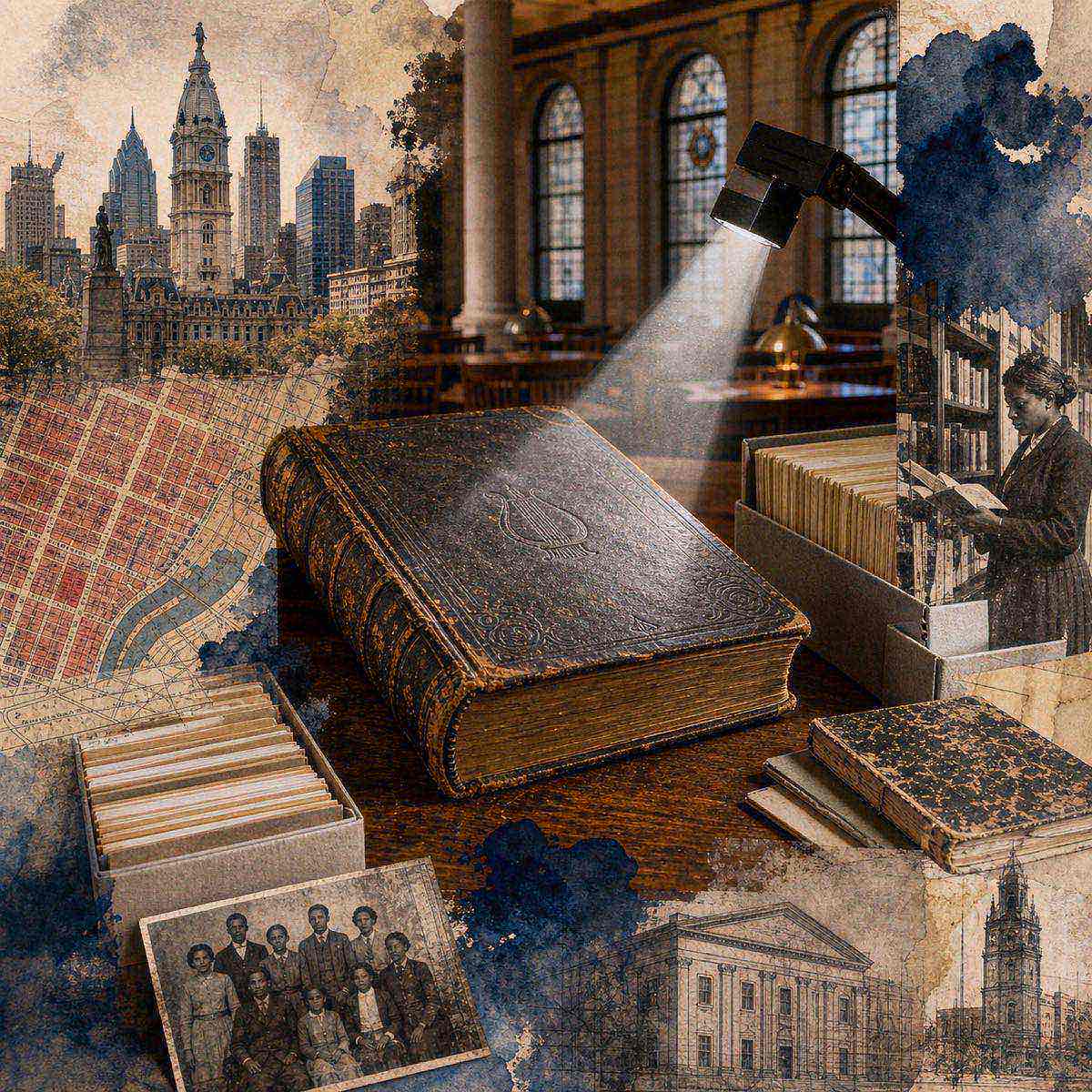
At Temple University’s Charles L. Blockson Collection, an artifact tied to Harriet Tubman shows how fragile the historical record can be. In the age of mass digitization and AI, the next civic question is who gets to preserve, scan, and share that record—and on what terms.
2026-05-30
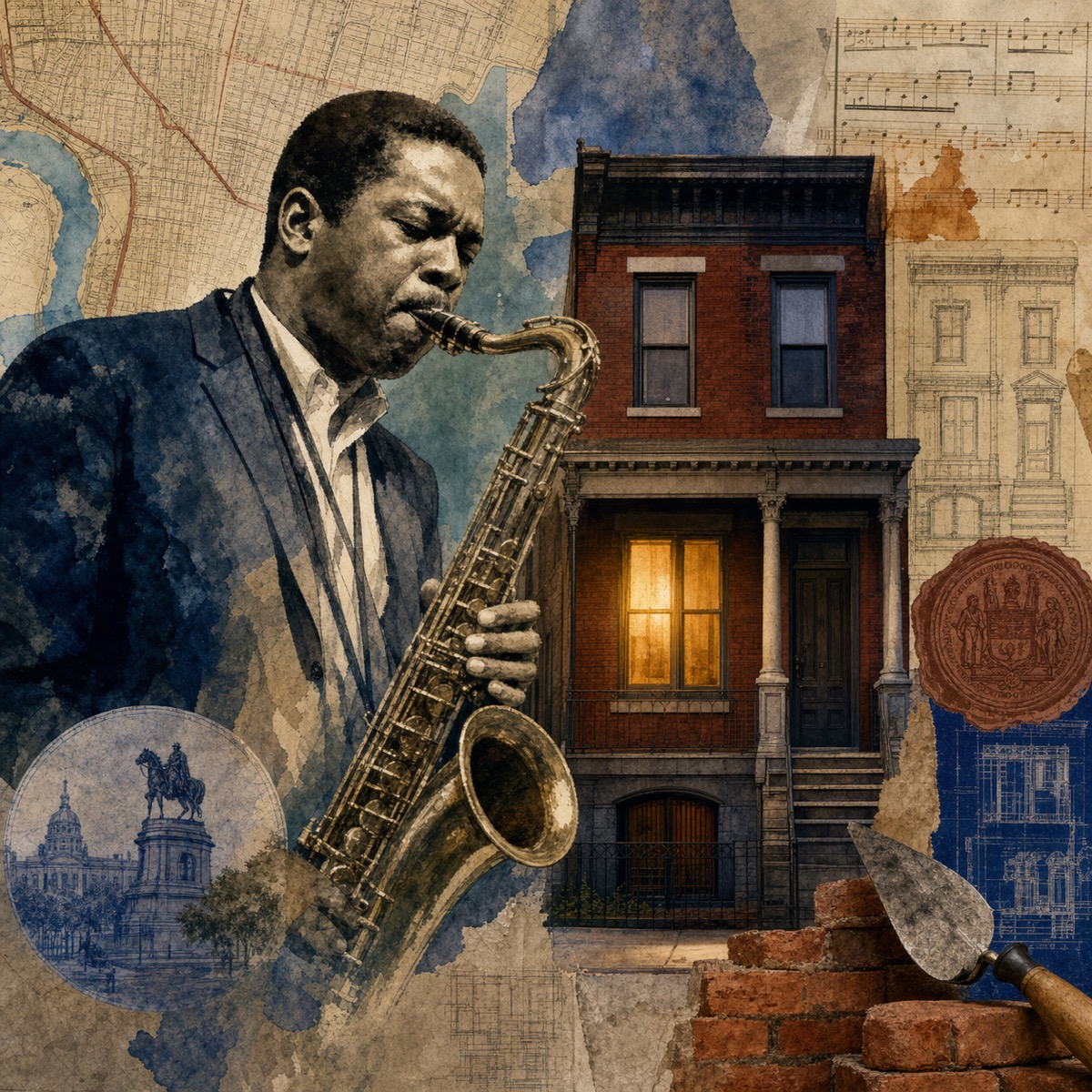
A quiet rowhouse in Strawberry Mansion holds one of America’s most influential musical legacies. In 2026, Philadelphia’s preservation rules—and how they interact with housing and permits—help decide whether neighborhood landmarks stay part of public life.
2026-05-26
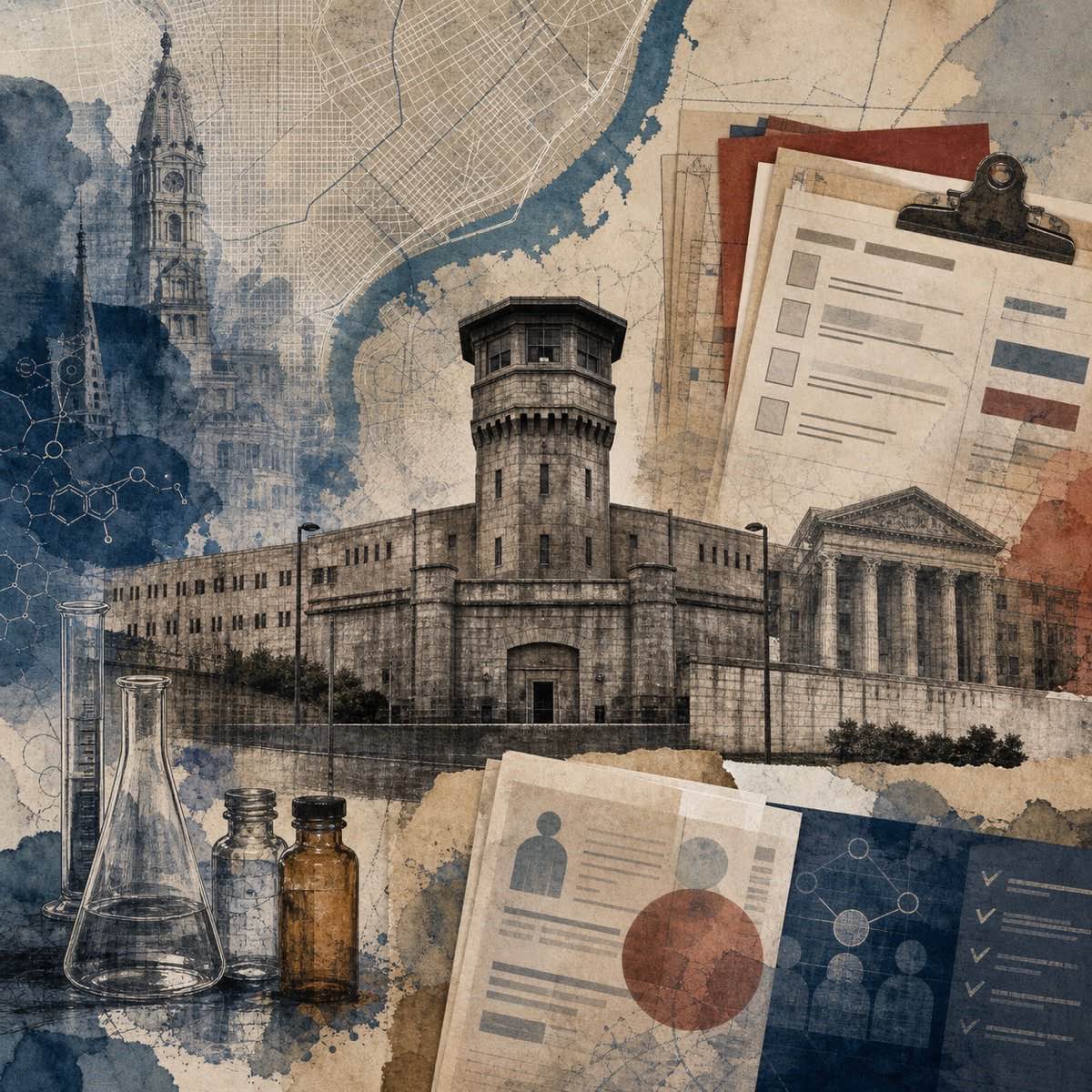
A Philly Tours stop at the former Holmesburg Prison recalls decades of medical experimentation on incarcerated men. In 2026, Philadelphia’s push for independent prison oversight is a reminder that accountability isn’t a slogan—it’s a system you can measure.
2026-05-25
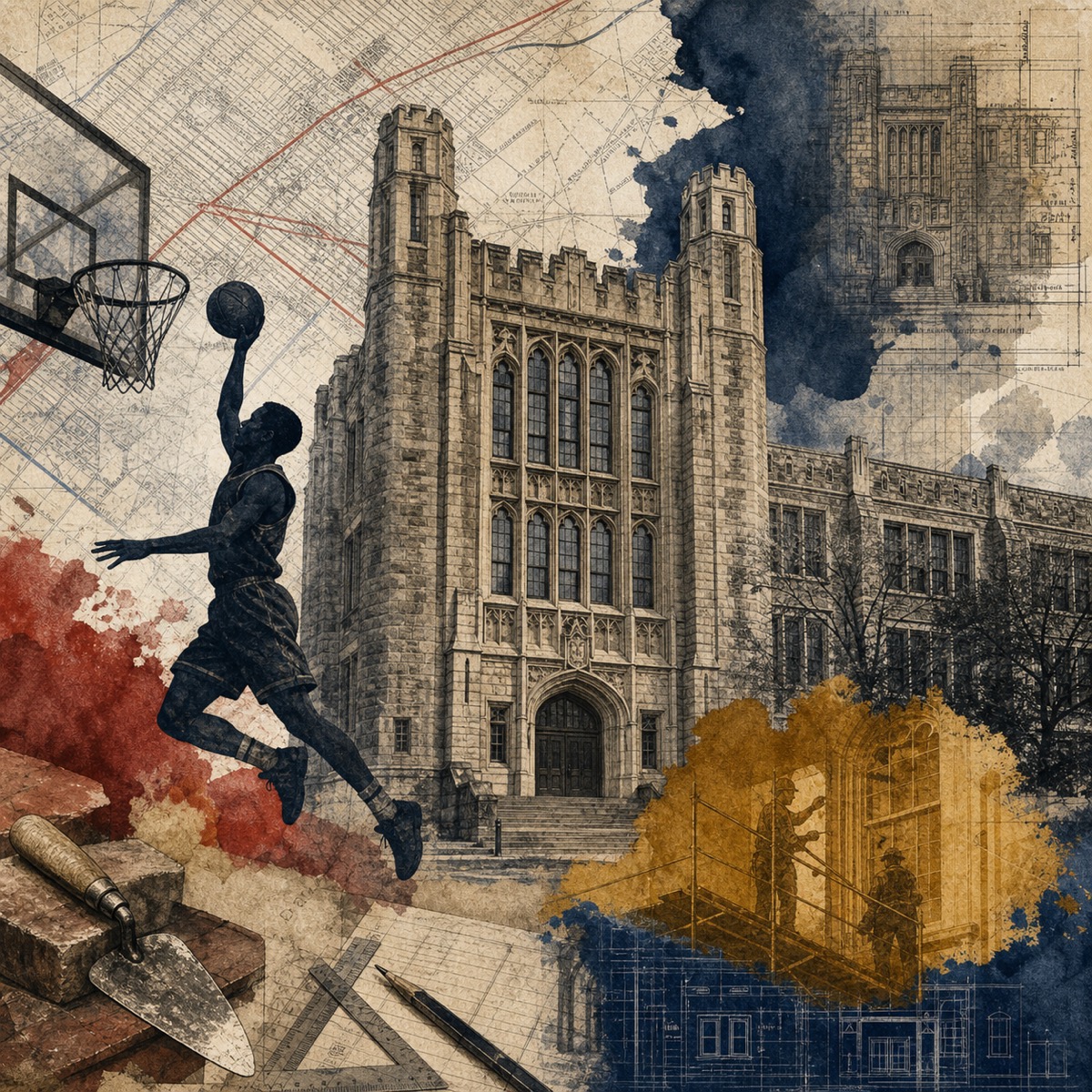
Overbrook High School’s ‘Castle on the Hill’ helped launch Wilt Chamberlain—and shows what public schools can do when a city invests in institutions. In 2026, Philadelphia’s facilities master plan and Pennsylvania’s school-funding debate put a simple question back on the agenda: what does it take to keep public schools safe, modern, and opportunity-rich?
2026-05-24
North Philadelphia’s factories once drew Black workers into some of the hardest jobs in the city—and into organizing campaigns for dignity and safety. In 2026, Philadelphia’s POWER Act and a proposed federal heat standard show how worker protections become civic infrastructure.
2026-05-23
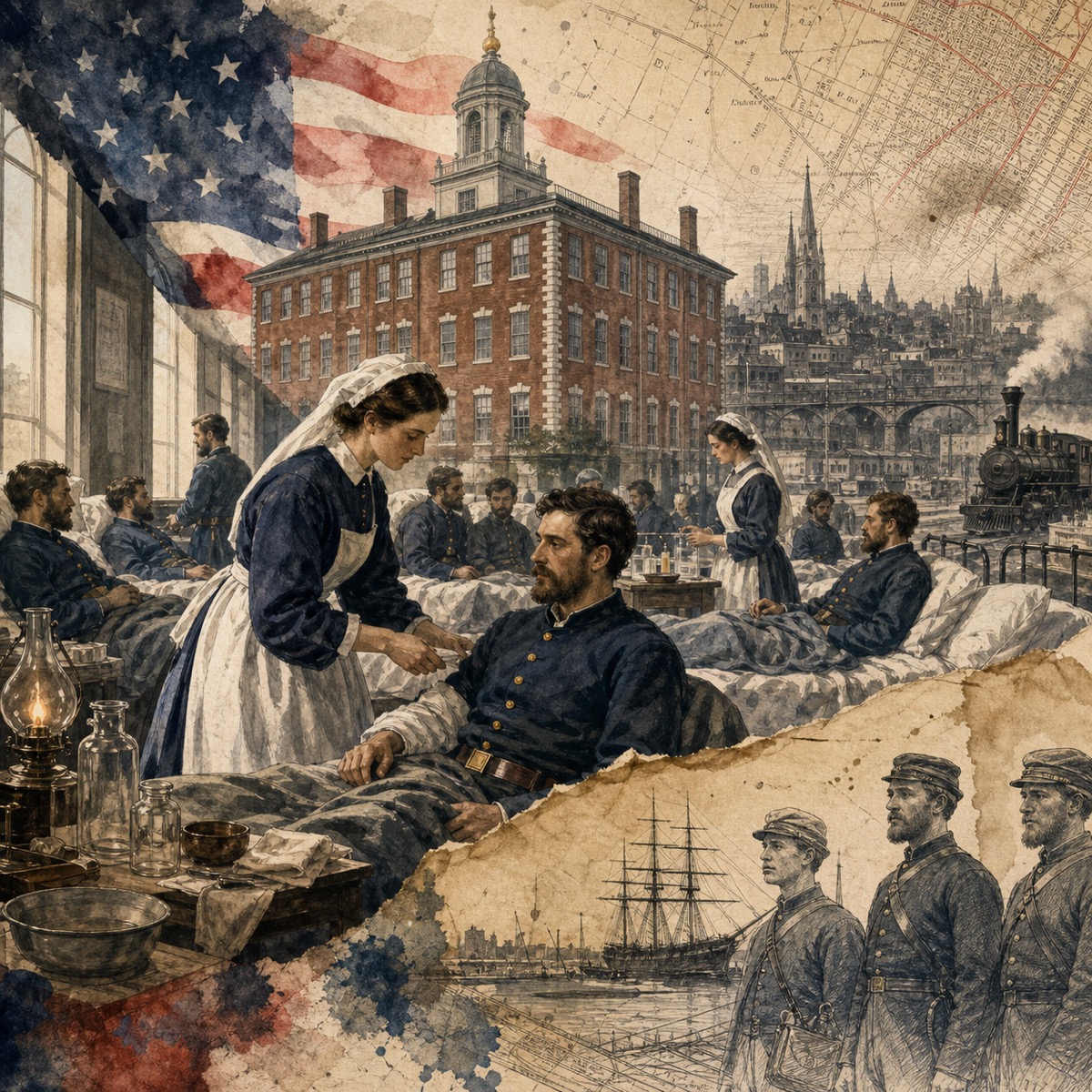
Philadelphia did not host a major Civil War battle, but it helped the Union survive through recruitment, industry, rail transport, relief work, and an enormous hospital network. That home-front story still matters in 2026, as Philadelphia plans for large-scale emergencies and asks what public readiness should look like before the crisis arrives.
American historyPhiladelphiaCivil Warpublic healthhospitalsemergency preparednessUnion Armycivic infrastructure
2026-05-22
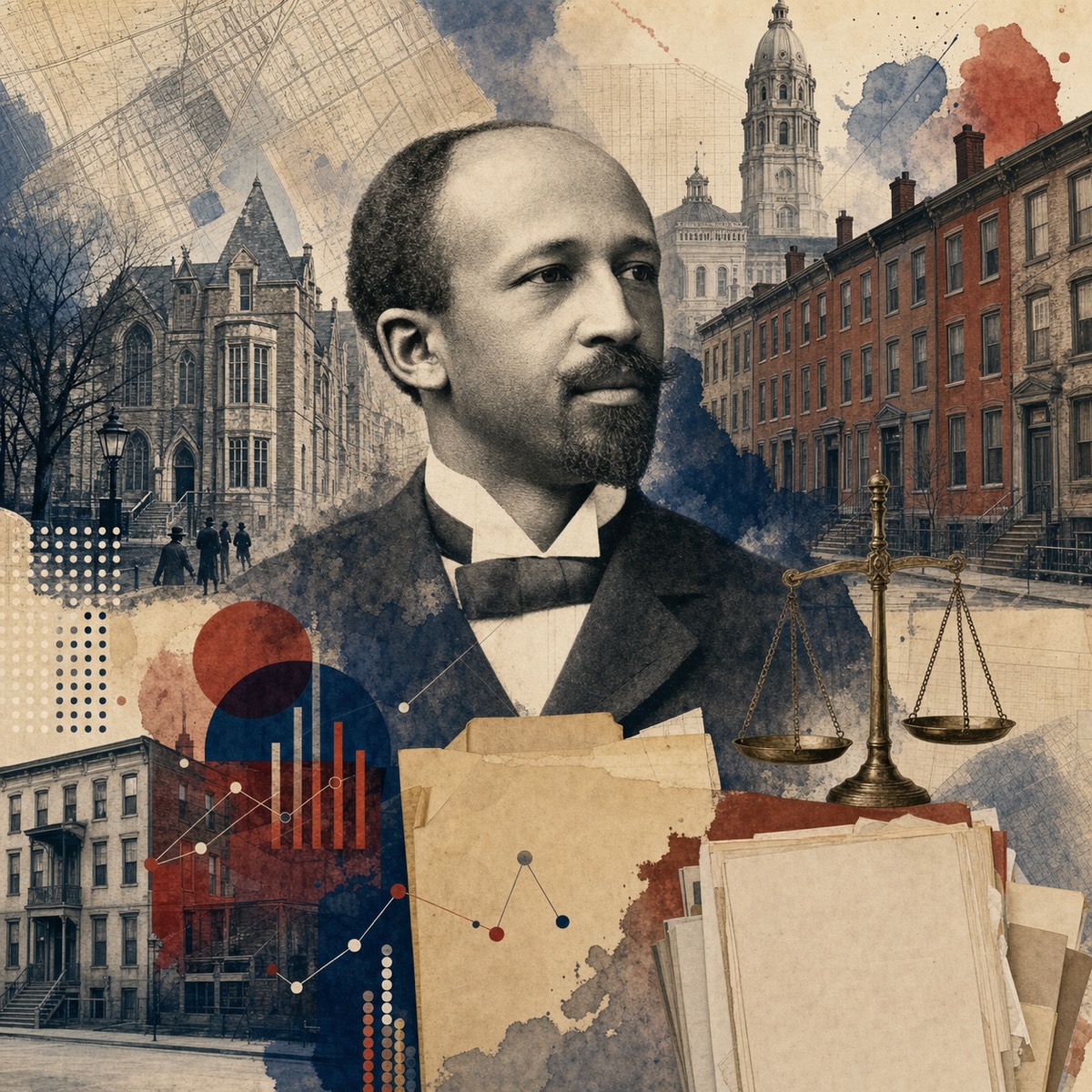
In 1896, W.E.B. Du Bois mapped Philadelphia’s inequality block by block. Today, the city’s Right to Counsel and eviction-diversion policies ask whether we will treat housing stability as a public good—with measurable results.
American historyPhiladelphiaW.E.B. Du BoishousingevictionsRight to Counselpublic policycivic data
2026-05-22
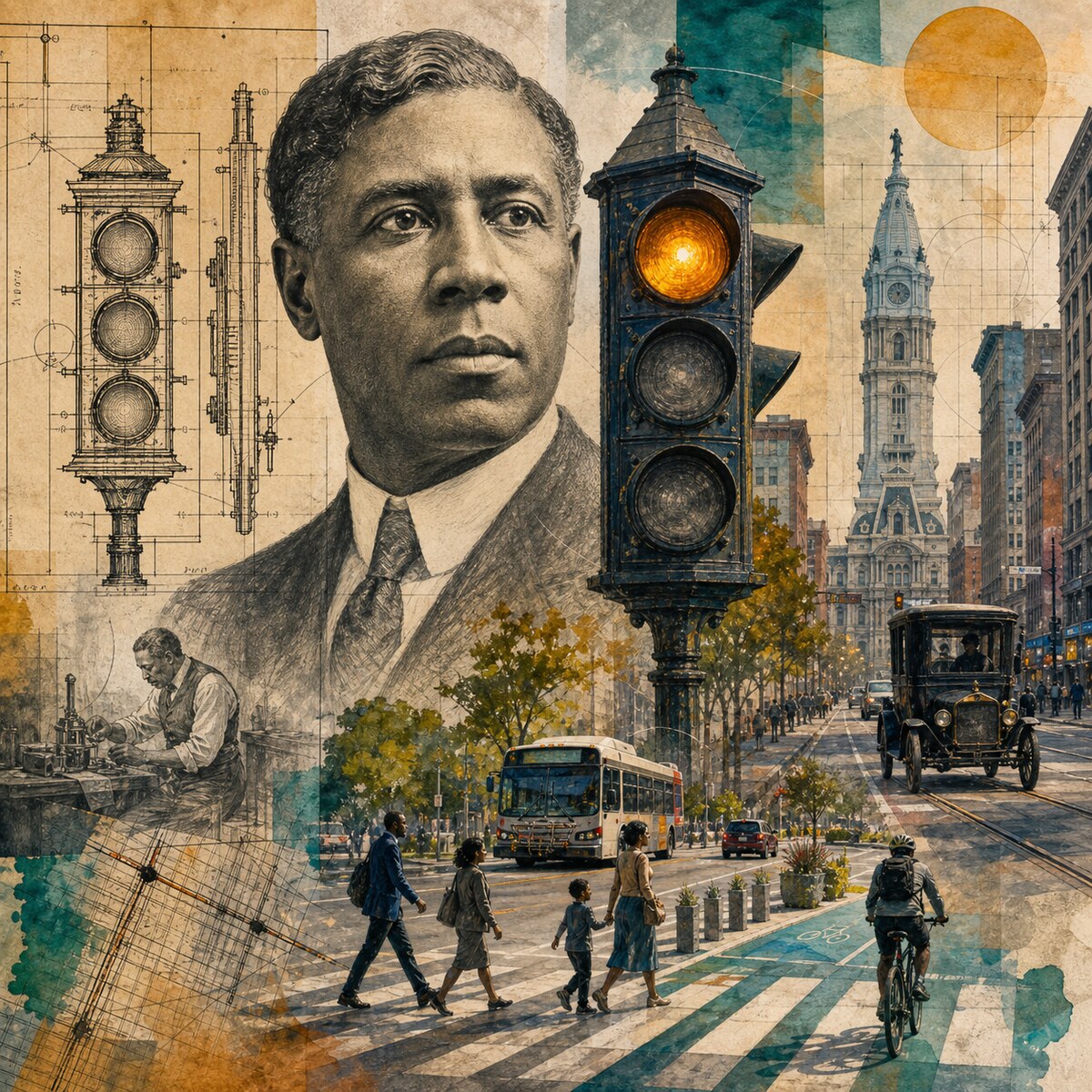
In the 1880s, inventor Granville T. Woods figured out how to send messages to moving trains—an early step toward the signaling systems that prevent collisions and keep schedules intact. Philadelphia’s modern shift to digital train control raises a familiar civic question: will we fund the invisible infrastructure that makes public life reliable?
American historyPhiladelphiaGranville T. Woodstransitinfrastructurerail safetypublic policytechnology
2026-05-21
The President's House Site was just named one of America's most endangered historic places. At 6th and Market, Philadelphia's 250th-anniversary question is whether public history will tell the whole civic truth.
American historyPhiladelphiaPresident's Housepublic memorypreservationcivic education
2026-05-20
Philadelphia built the Broad Street Subway as civic infrastructure. Today’s SEPTA budget comment deadline asks whether the city and state will keep treating transit as a public system, not a private convenience.
American historyPhiladelphiatransitSEPTApublic infrastructurelocal government
2026-05-19
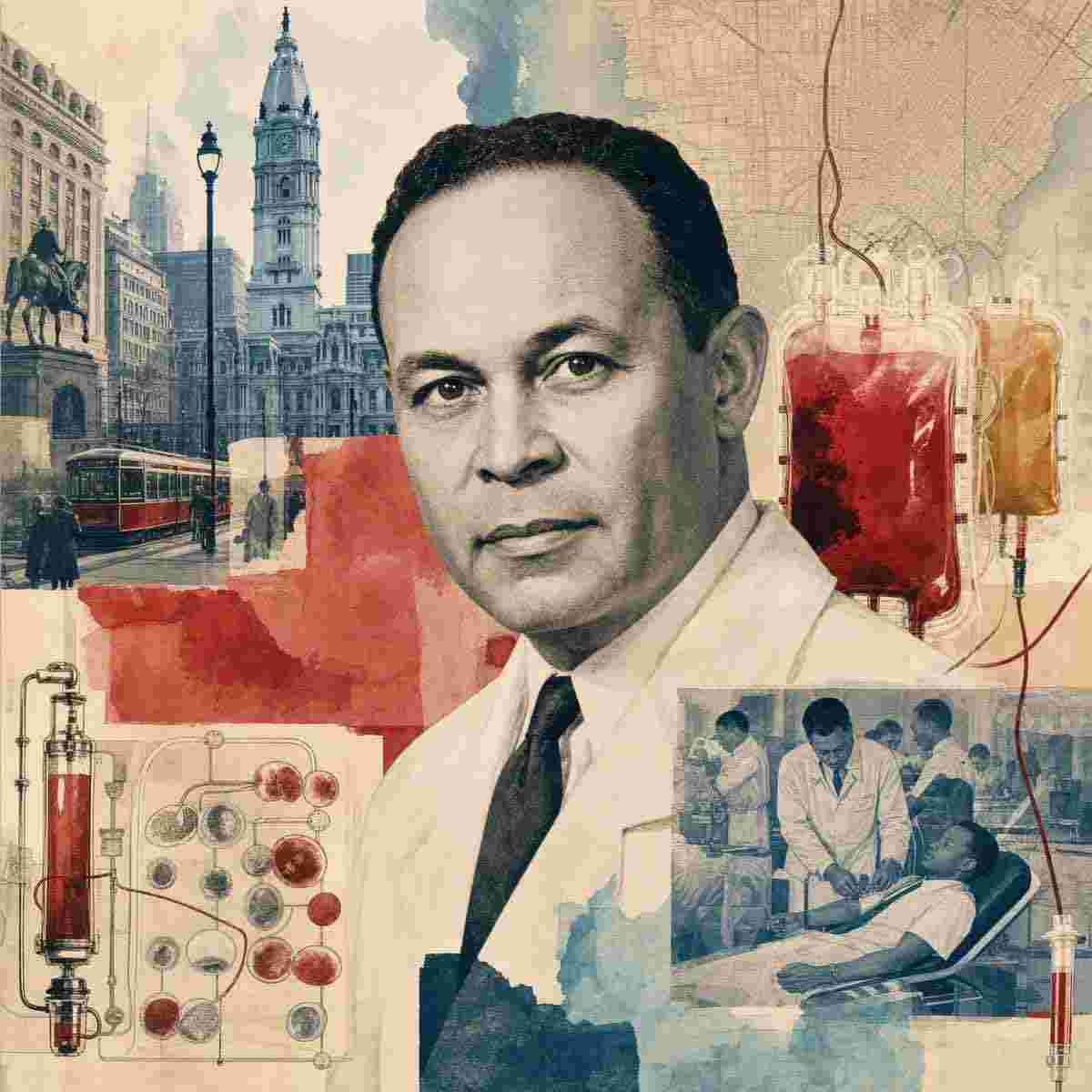
Charles Drew helped make modern blood banking possible. Today’s shortages show why blood is still a civic resource—and a fragile one.
2026-05-19
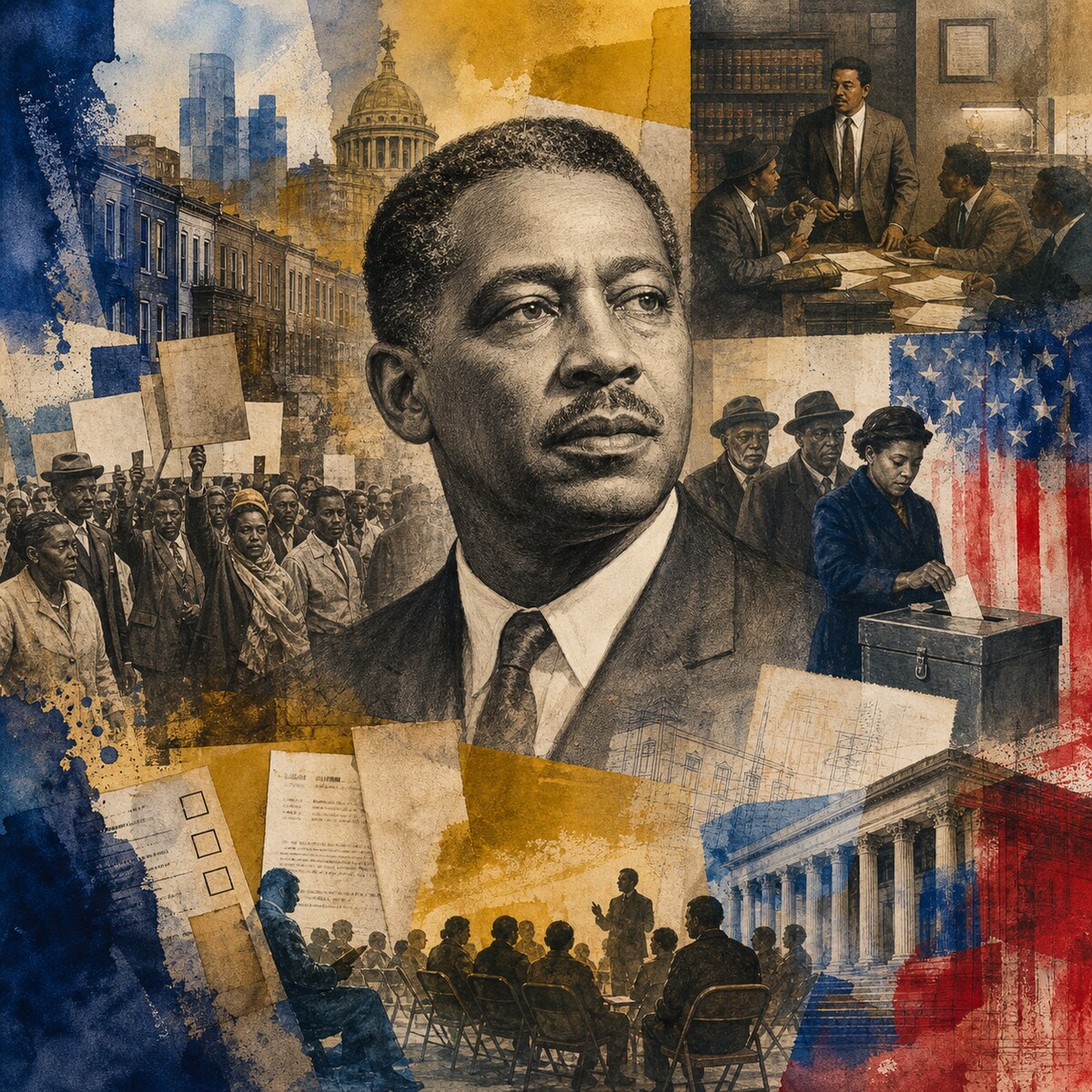
Philadelphia polls are open until 8 p.m. today. Voting rights were fought for across generations, and every eligible voter should use that voice while helping neighbors prepare for the next election.
voting rightscivil rightsPhiladelphiaBlack historyPennsylvania primary
2026-05-19
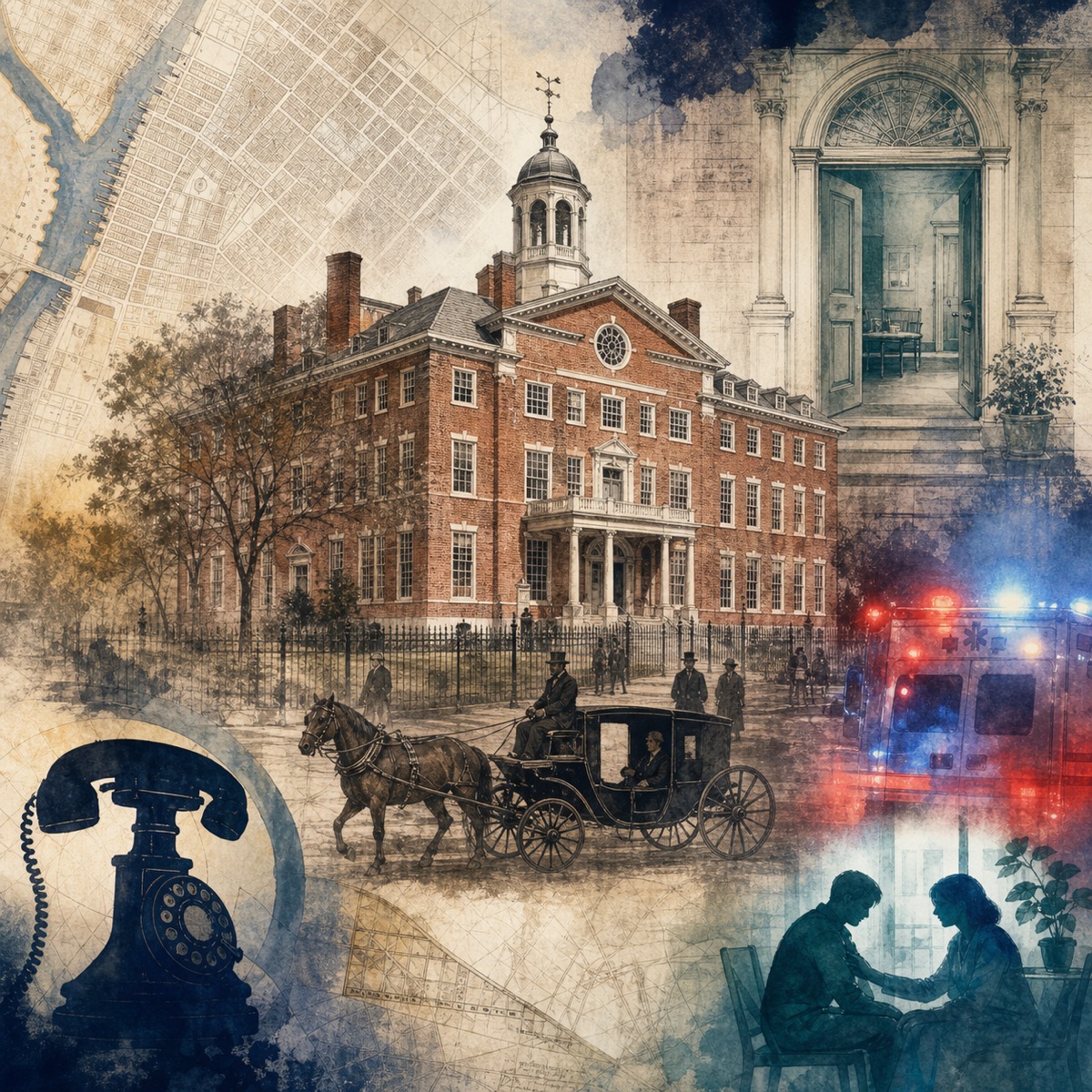
Pennsylvania Hospital was founded in 1751 to care for the sick poor and the “insane,” then built a separate hospital for mental illness in 1841. In 2026, Pennsylvania’s push to strengthen 988 crisis response raises an old Philadelphia question: when someone is in crisis, what public system actually receives them—and where can they safely go?
2026-05-18
At Parkway Central Library, Philadelphia's long argument over who gets access to knowledge runs from Benjamin Franklin's subscription library to today's budget debate over Saturday and Sunday hours.
American historyPhiladelphialibrariescivic accesslocal governmentpublic investment
2026-05-17
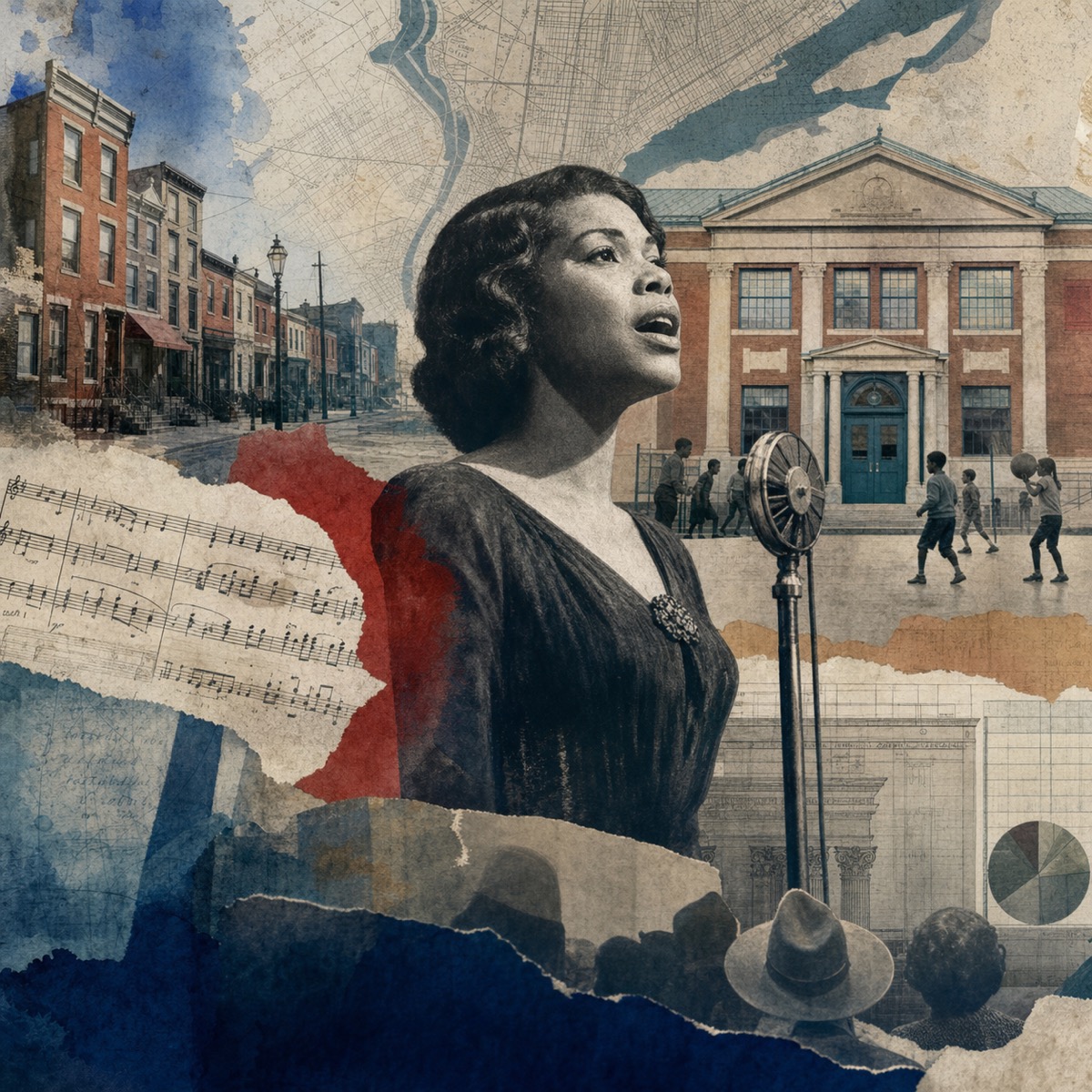
In 1939, Marian Anderson turned a denial into a national civic lesson: public spaces can become public stages. In 2026 Philadelphia, debates about arts funding and rec-center reinvestment ask the same question—who gets a place to be heard, to learn, and to belong?
2026-05-17
Overbrook’s legends weren’t just made in a gym—they were made in a public institution. Philadelphia’s 2026 facilities master plan asks a hard civic question: what do we owe the neighborhood schools that create our shared life?
2026-05-17
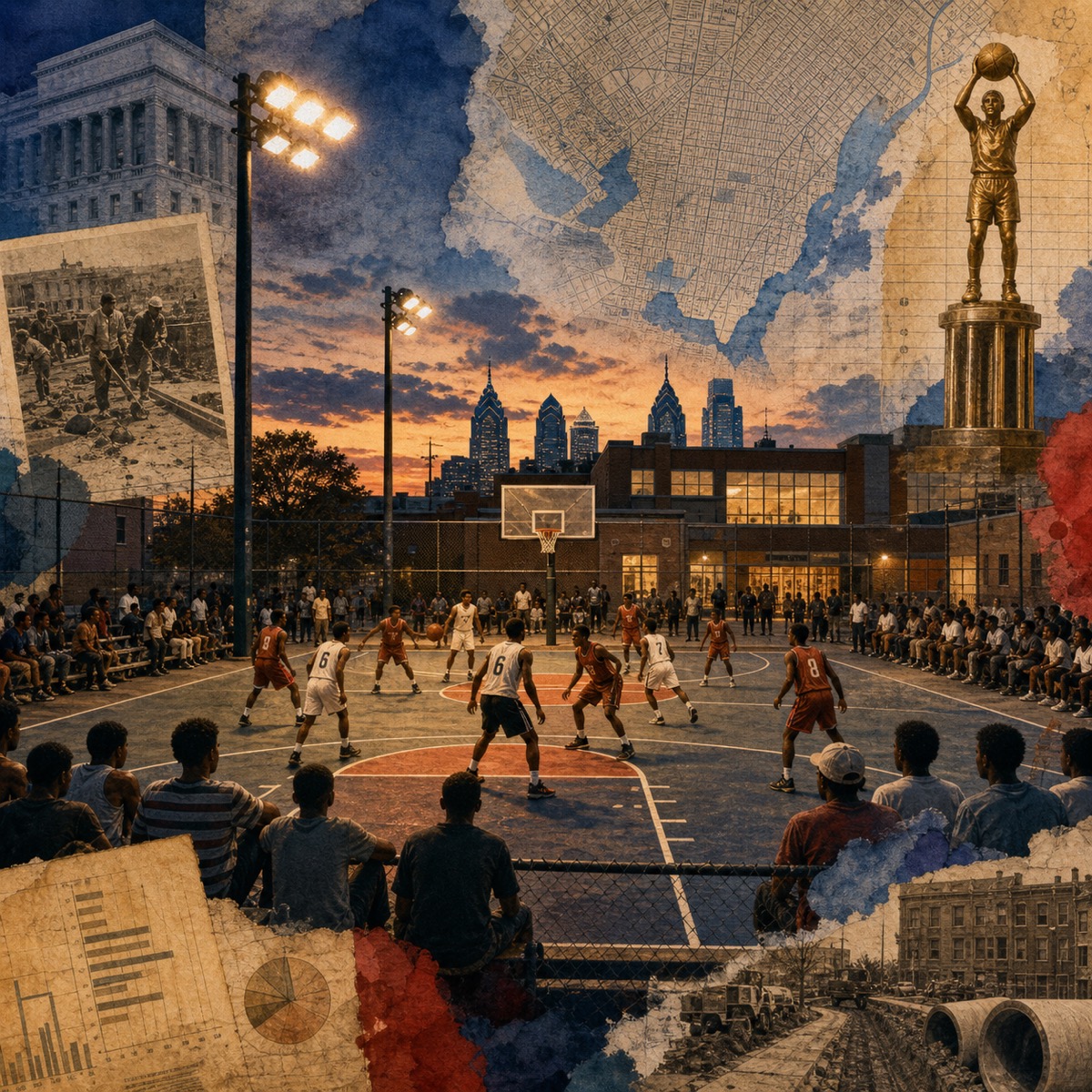
Philadelphia’s most famous summer basketball league wasn’t just about jump shots. It was a civic project—built on public courts, public trust, and the everyday budgets that decide whether neighborhood spaces stay open, safe, and cared for.
2026-05-16
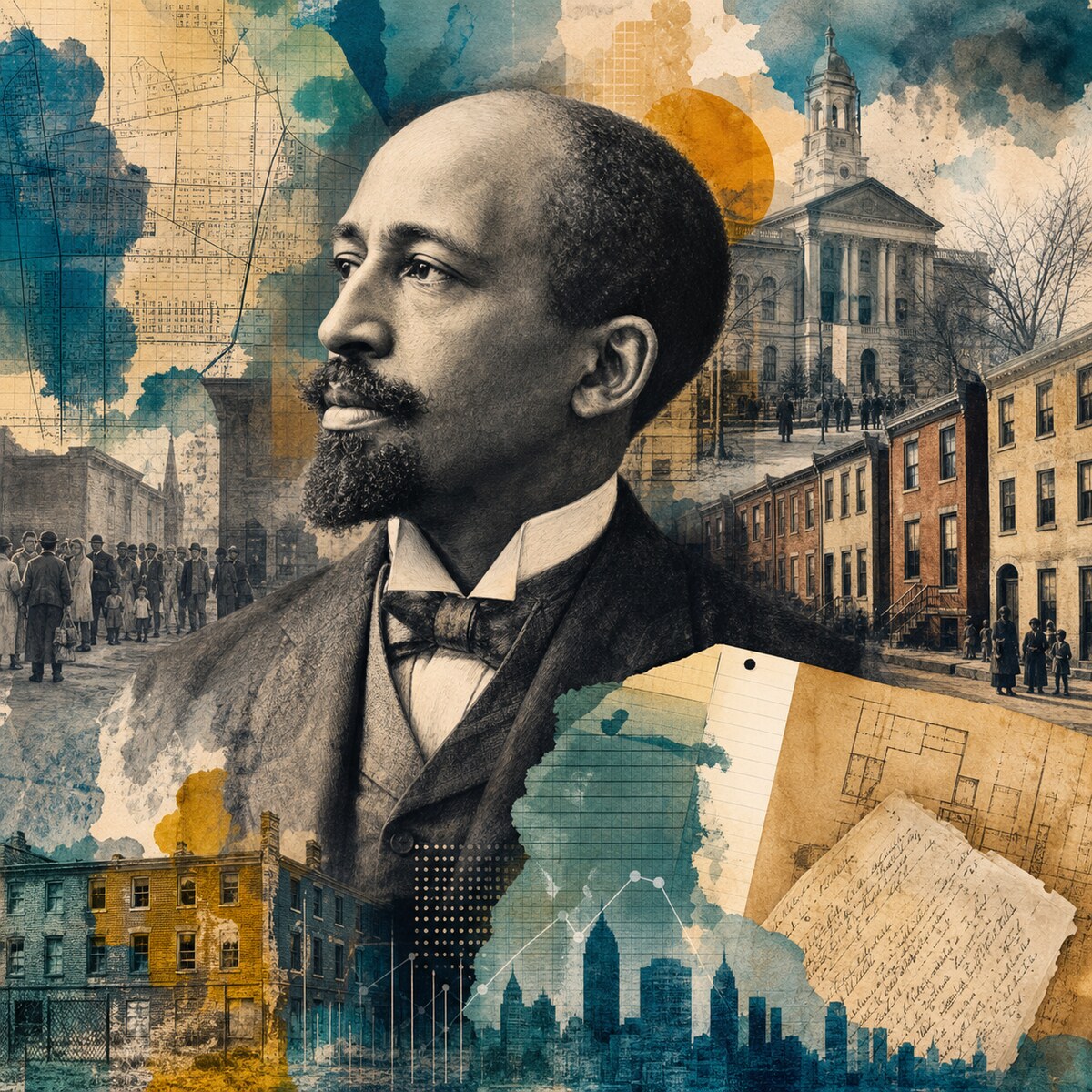
In 1899, W.E.B. Du Bois used Philadelphia as a laboratory for public-policy truth. In 2026, the city’s eviction-prevention systems show why housing data still has to be paired with power and due process.
American historyhousingevictiondataPhiladelphiapublic policycivil rights
2026-05-16
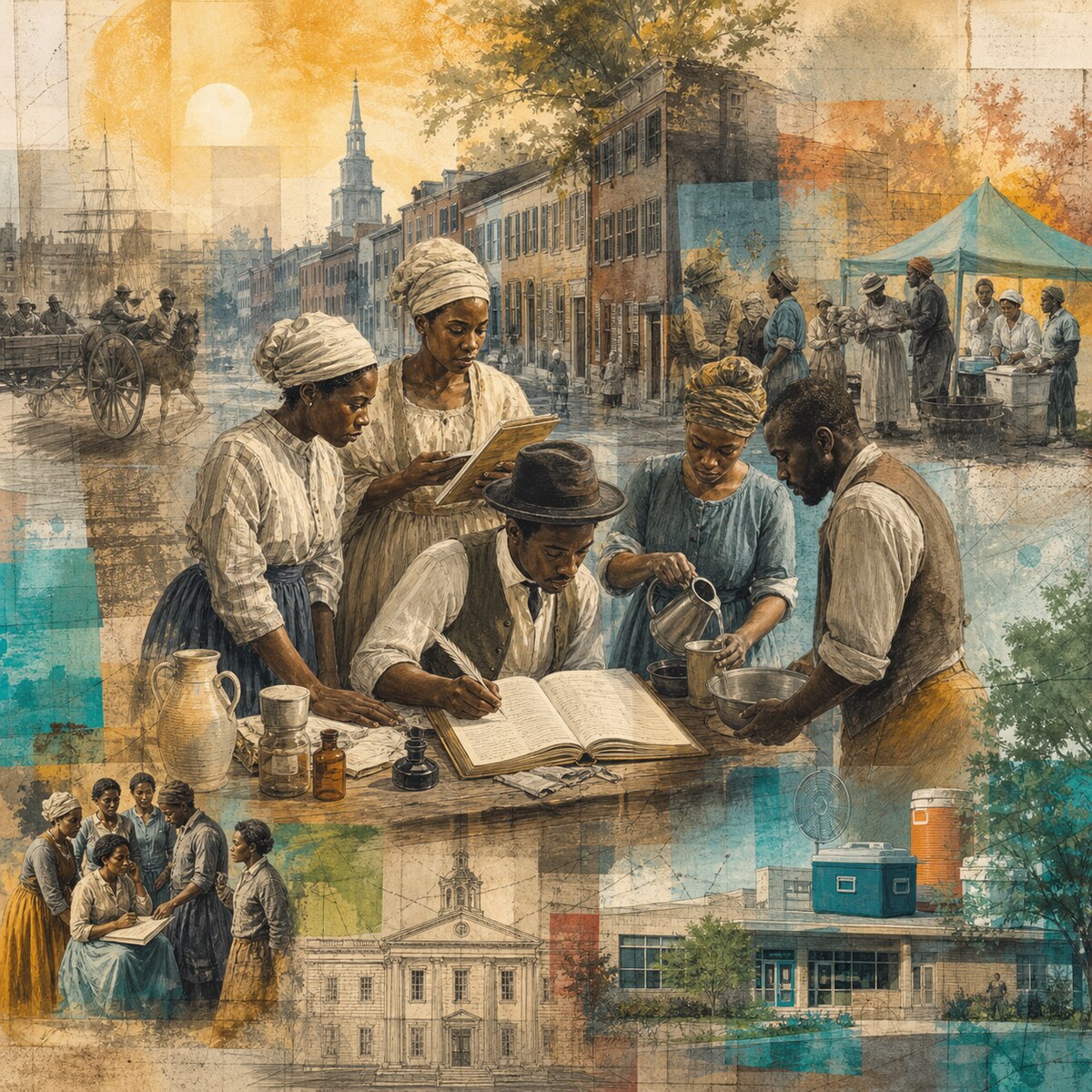
In 1793, Black Philadelphians organized mutual aid that helped keep the city alive. Philadelphia’s modern heat-emergency response shows why neighborhood trust and logistics still matter.
American historypublic healthmutual aidclimatePhiladelphia
2026-05-16
A Black inventor’s three-position traffic signal was a small piece of civic infrastructure with a big idea—cities can design safety into everyday life. Philadelphia’s Vision Zero work shows how hard (and necessary) that idea still is.
American historytransportationinfrastructurepublic policytraffic safetyPhiladelphia
2026-05-15
A North Philadelphia civil rights leader helps frame a current national debate: who gets easy access to the ballot, and who has to fight for it?
American historycivil rightsvoting rightspoliticsPhiladelphia